By Nomathemba Pearl Dzinotyiwei
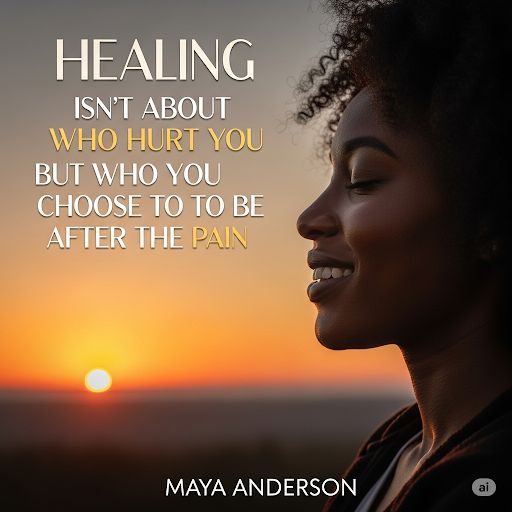
Life inevitably brings its share of pain. We experience heartbreak, betrayal, disappointment, and loss. It’s natural to dwell on who caused the hurt, to replay the events, and to feel the sting of injustice. While acknowledging our pain and allowing ourselves to feel it is a crucial part of healing, getting stuck in the cycle of blame and resentment can prevent us from moving forward. True healing shifts the focus inward, asking a powerful question: Who is the version of me that I want to be after the pain?
This question isn’t about erasing the past or minimizing the hurt we’ve endured. Instead, it’s about taking conscious control of our present and future. It’s about recognizing that while we can’t change what happened to us, we have the power to choose who we become in its aftermath.
Let’s delve deeper into this transformative question. Close your eyes for a moment and envision the healed, stronger version of yourself.
What are the qualities of this better version of you? Perhaps this version is more resilient, compassionate, and self-assured. Maybe you possess a deeper sense of inner peace, a stronger sense of boundaries, or a greater capacity for joy. You might be more forgiving, not necessarily for the sake of the person who caused the pain, but for their own liberation.
How does that version of you walk? Imagine your posture – is it upright and confident? Do you move with a sense of purpose and ease? Your physical presence often reflects your inner state.
How do you talk? Consider your tone of voice – is it calm and assertive? Do you communicate their needs clearly and respectfully? Your words might carry more weight, reflecting inner strength and clarity.
How do you see yourself as this version of you? Do you look at yourself with kindness and acceptance? Do you recognize your strength and resilience? This internal self-perception is fundamental to embodying the healed version of yourself.
How do other people see this version of you? Do they see someone who is empowered, authentic, and at peace? Do they sense your resilience and inner strength? How others perceive us often shifts as we evolve internally.
What is the same and what is different between these two versions of you? The core of who you are remains. Your values, your passions, your fundamental essence. What differs is the impact of the pain. The unhealed version might be carrying baggage, reacting defensively, or living in the shadow of the past. The healed version has processed the pain, learned from it, and integrated it into your life story without letting it define them. You are lighter, freer, and more present.
So, what can you do each day to evolve into this stronger, healed, and better version of you? The journey of healing is a marathon, not a sprint, and it’s built on consistent, conscious choices. Here are some powerful tools that can guide your transformation:
- Mindfulness: Cultivating present moment awareness allows you to observe your thoughts and feelings without judgment. This practice helps you detach from the emotional residue of past hurts and recognize negative thought patterns as they arise, giving you the space to choose a different response. Dr Caroline Leaf explores this concept extensively in her work on neuroplasticity, in her podcast, her books and YouTube videos. In your bustling environment, taking even a few moments each day for mindful breathing can create a sense of calm amidst the chaos.
- Meditation: Regular meditation can deepen your mindfulness practice, reducing stress and fostering inner peace. It allows you to connect with your inner self, identify limiting beliefs rooted in past pain, and cultivate feelings of self-compassion and acceptance. There are many accessible guided meditations available that can easily fit into your daily routine.
- A Healthy Lifestyle: Nourishing your body and mind is essential for healing. This includes eating nutritious foods, getting enough sleep, and engaging in regular physical activity. Exercise, whether it’s a walk through the streets or a jog in a local park, can release endorphins and improve your mood and overall well-being. Taking care of your physical health provides a strong foundation for emotional healing.
- Managing Toxic Thinking Patterns: Painful experiences can often lead to negative and self-defeating thought patterns. Identifying and challenging these toxic thoughts is crucial. Techniques like cognitive restructuring can help you reframe negative beliefs and cultivate a more positive and empowering inner dialogue. Recognize when you’re dwelling on the “who” and consciously redirect your focus towards the “who you choose to be.”
Transforming your life after pain is a courageous act of self-love. It’s about choosing to rise above the hurt and create a future defined by your strength, resilience, and chosen qualities. It’s not about forgetting what happened but about integrating the experience into your story in a way that empowers you rather than defines you.
The journey may have its challenges, but with intention, self-compassion, and consistent effort, you can evolve into the stronger, healed, and better version of yourself – the person you choose to be, regardless of who tried to hurt you. Wherever you are in the world, the power to heal and redefine yourself lies within you.
 The Corporate Humanitarian