By Nomathemba Pearl Dzinotyiwei
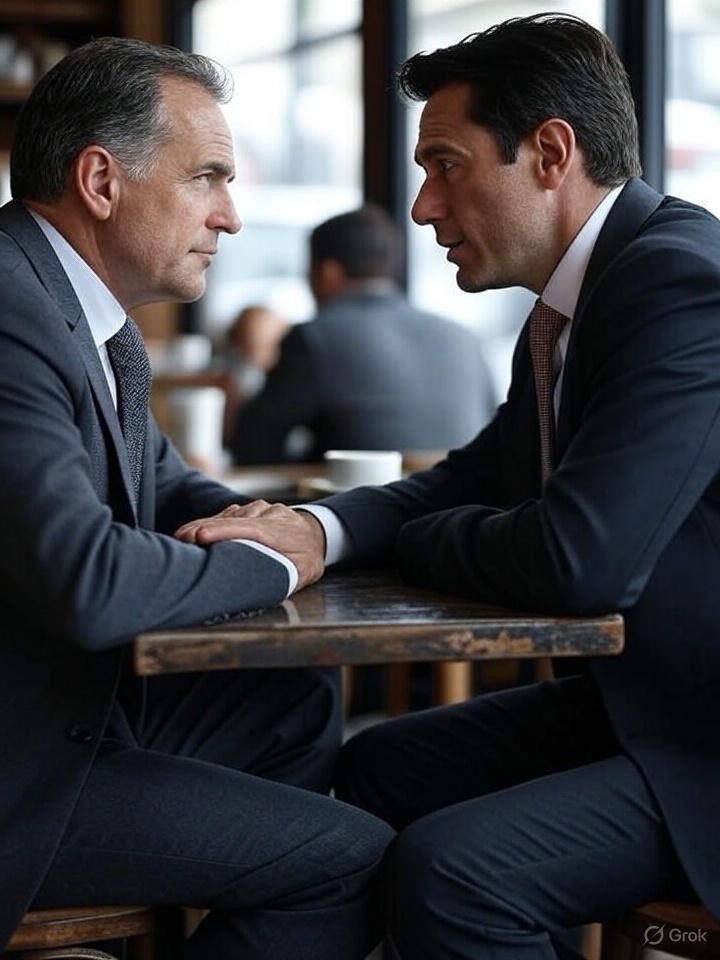
In every major corporate scandal, there’s often a common thread—toxic leadership that fosters a culture of silence, fear, and cover-ups. What begins as unchecked bad behavior by those in power can metastasize into illegal and unethical practices, as leadership dysfunction creates fertile ground for misconduct to flourish unchecked.
Toxic leadership isn’t just about poor people management or abrasive communication styles. It’s a breeding ground for retaliation, harassment, discrimination, and ethical decay. Worse still, it can hijack internal mechanisms designed to hold power accountable—rendering whistleblowing schemes, legal investigations, and internal audits largely performative.
⚠️ When Leadership Is the Liability
Toxic leaders often prioritize control, image, and self-preservation over accountability. This leads to a dangerous set of behaviors:
Silencing dissenting voices; Retaliating against whistleblowers; Manipulating investigations; Dismissing ethical concerns as insubordination;
Rewarding loyalty over integrity.
In such environments, even formal structures meant to uncover wrongdoing—like whistleblower channels, ethics hotlines, or internal audits—are compromised. Why? Because they are led or influenced by individuals with close ties to the leadership responsible for the abuse. These gatekeepers become co-conspirators in protecting the toxic culture rather than exposing it.
📉 Real-World Examples of Toxic Leadership Cover-Ups
1. Uber (2017)
Uber’s toxic workplace culture under then-CEO Travis Kalanick was exposed when engineer Susan Fowler blogged about the sexual harassment and discrimination she faced. Despite reporting it to HR, no meaningful action was taken—because her manager was a “high performer.” The company’s internal systems were designed to protect the powerful, not the vulnerable. The scandal eventually led to major resignations, including Kalanick himself.
2. Wells Fargo (2016)
Wells Fargo employees created millions of unauthorized customer accounts due to unrealistic sales pressures from leadership. Those who raised red flags were fired or silenced. The bank’s leadership enabled and ignored fraudulent behavior, prioritizing profits over ethical conduct. Investigations revealed that whistleblower protections were systematically undermined.
3. Fox News (2016–2017)
Sexual harassment allegations against CEO Roger Ailes and host Bill O’Reilly exposed a deeply toxic work environment. Victims were often pressured into silence through settlements or intimidation. HR and legal departments protected the perpetrators instead of the employees, prioritizing corporate reputation over justice.
4. Boeing (737 MAX Crisis)
Internal emails revealed that employees had safety concerns about the 737 MAX long before two fatal crashes occurred. However, a culture of fear, intimidation, and profit-driven decision-making prevented these concerns from being escalated. Leadership minimized risks, dismissed concerns, and failed to prioritize safety—a toxic mix that cost lives.
🛑 When Internal Investigations Are a Dead End
While many companies tout “speak-up” cultures, they often fail to protect the very people who speak up. Here’s why investigations often fail:
HR is not independent: Often reports directly to the CEO or executive team, who may be implicated.
Legal and compliance teams are compromised: Loyalty to leadership can override objectivity. Whistleblower hotlines lack teeth: Reports are routed back to the very people being reported.
Fear of retaliation: Employees know that speaking up often ends careers, not problems.
Cultural normalization: Toxic behavior is framed as “just how things are here.”
As a result, investigations become exercises in damage control, not justice. The real issues are swept under the rug, and the victims are often left more traumatized than protected.
🧠 Toxic Culture = Strategic Risk
Workplace toxicity isn’t just a human resources issue—it’s a strategic and operational risk. It leads to:
High employee turnover;
Reduced innovation and performance;
Legal liabilities and financial losses; Reputational damage;
Regulatory scrutiny.
A toxic workplace hides the truth, rewards unethical behavior, and punishes integrity. In the long run, these dynamics destroy organizational effectiveness and erode public trust.
💡 The Business Case for Positive Culture
Investing in a healthy, transparent, and psychologically safe workplace isn’t just about morality—it’s good business. Companies with strong, values-based cultures:
Experience lower turnover and higher engagement;
Are more likely to self-correct issues before they become crises; Encourage innovation and risk-taking in healthy ways;
Have stronger reputations and brand equity;
Are more resilient in times of disruption.
Creating an independent ethics infrastructure, fostering authentic leadership, and embedding psychological safety are not optional—they are essential to long-term sustainability.
🌱 Final Thought: Culture Is the Root System
If leadership is the seed, culture is the soil. You can’t expect ethical fruit from toxic roots.
Organizations must stop treating toxicity as a “personality clash” or an HR issue. It is a corporate governance issue, a strategic risk, and a leadership failure. Without rooting out toxic leaders and enabling structures, no investigation will yield truth, and no policy will protect the vulnerable.
Because silence is not safety, and accountability is not optional.
Want help creating a thriving workplace culture that works for people and performance? Follow The Corpor8 Humanitarian for insights, strategies, and stories on transforming the workplace from the inside out.
 The Corporate Humanitarian