By Nomathemba Pearl Dzinotywei
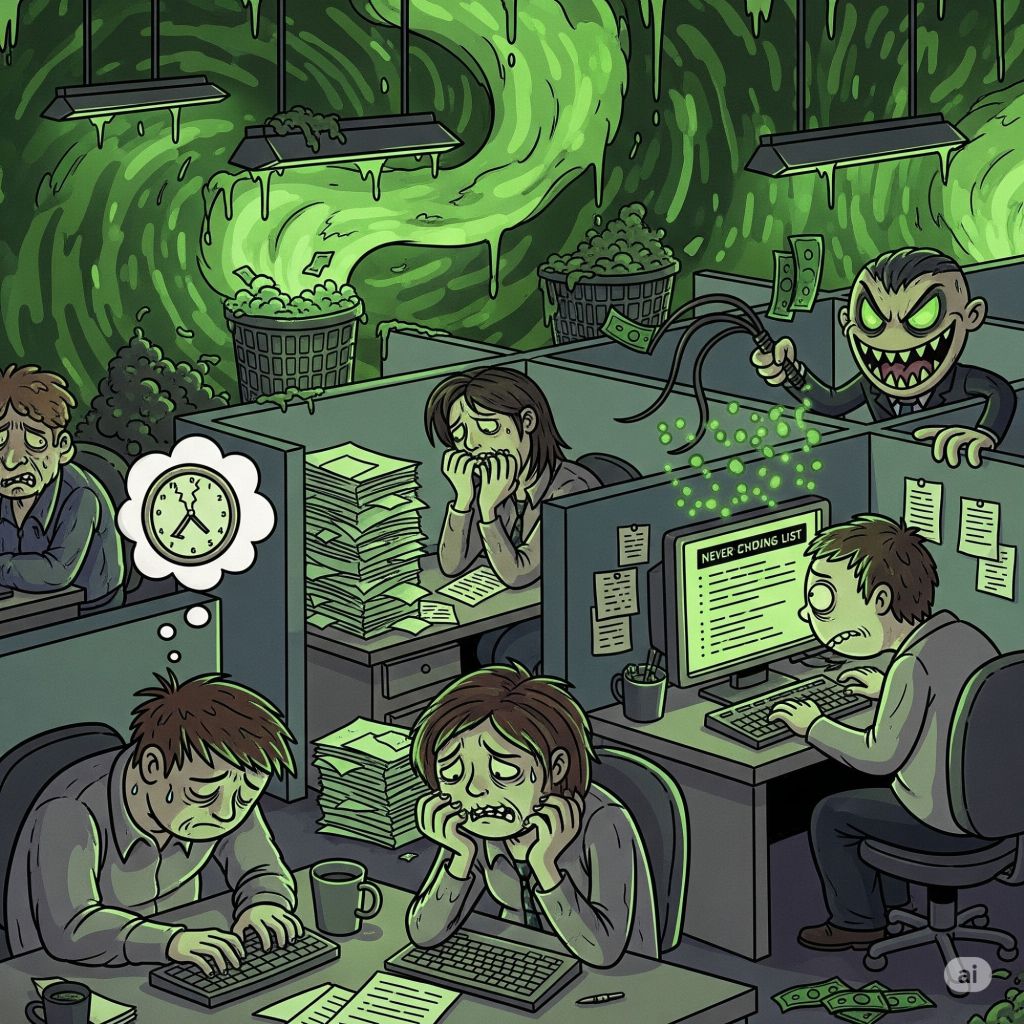
We often talk about a “toxic workplace” in terms of bad bosses, office gossip, and low morale. We picture a difficult environment that makes the workday unpleasant. But what if that toxicity isn’t an accident? What if it’s a carefully engineered system designed to protect unethical and illegal activities like fraud and embezzlement?
In too many organizations, this is the stark reality. The toxicity isn’t a symptom of a few bad apples; it’s a deliberate defense mechanism. Toxic leaders don’t just bully; they manipulate entire systems to cover their tracks and silence anyone who might expose them.
Weaponized Systems and the Culture of Silence
The tactics are insidious and often follow a predictable pattern. Instead of using company resources to solve problems, those in power weaponize them to protect themselves and their cronies.
- HR and Legal as Enforcers: Internal teams meant to protect employees and the company are co-opted. They are used to discredit, intimidate, or sideline anyone who raises a red flag. A whistleblower’s complaint doesn’t lead to an investigation of the accused; it triggers an investigation of the whistleblower themselves.
- Rewarding Enablers, Punishing Truth-Tellers: The company culture becomes a perverse incentive system. Those who go along with the illegal or unethical behavior are promoted and rewarded. Those who dare to speak up are punished, ostracized, or even fired. This sends a powerful message to everyone else: your silence is your survival.
The Devastating Fallout
The consequences of this engineered toxicity extend far beyond low morale. It creates a domino effect of destruction that harms the workforce, the company, and its reputation including the following:
A Traumatized Workforce: Employees live in a state of fear and distrust. They are constantly looking over their shoulders, unsure if their job is safe. This chronic stress leads to burnout, mental health issues, and a mass exodus of talented people who refuse to work in such an environment.
Eroded Trust: When employees see that the rules don’t apply to those at the top and that honesty is a liability, their trust in leadership and the organization as a whole is shattered. This makes it impossible to build a cohesive team or to innovate.
Massive Legal and Financial Consequences: The cover-ups can’t last forever. When the truth inevitably comes out, the organization faces massive lawsuits, regulatory fines, and public backlash. The cost of legal fees, settlements, and a destroyed reputation far outweighs any perceived short-term gain from the fraud or unethical behavior.
Compromised Investigations: When misconduct is finally undeniable, internal investigations are often led by compromised allies of the accused. The outcome is predetermined, and the report is carefully crafted to find no wrongdoing or to place blame on a convenient scapegoat, protecting the true culprits and their sponsors.
Strategies To Prevent Toxic Culture From Covering Up Illegal and Unethical Activities
Protecting Whistleblowers: Implementing truly independent, external channels for reporting misconduct that are guaranteed to protect the identity and safety of the reporter.
Empowering Accountability: Ensuring that internal investigations are led by neutral third parties and that the findings are acted upon, regardless of the accused’s position.
Leading by Example: Leaders must model ethical behavior, making it clear that integrity is the most valued trait and that shortcuts and deception will not be tolerated.
Silence is not safety. It’s a ticking time bomb. The only way to build a resilient and successful organization is to foster a culture where the truth is safe and where everyone, from the top down, is held accountable.
 The Corporate Humanitarian