By Nomathemba Pearl Dzinotyiwei
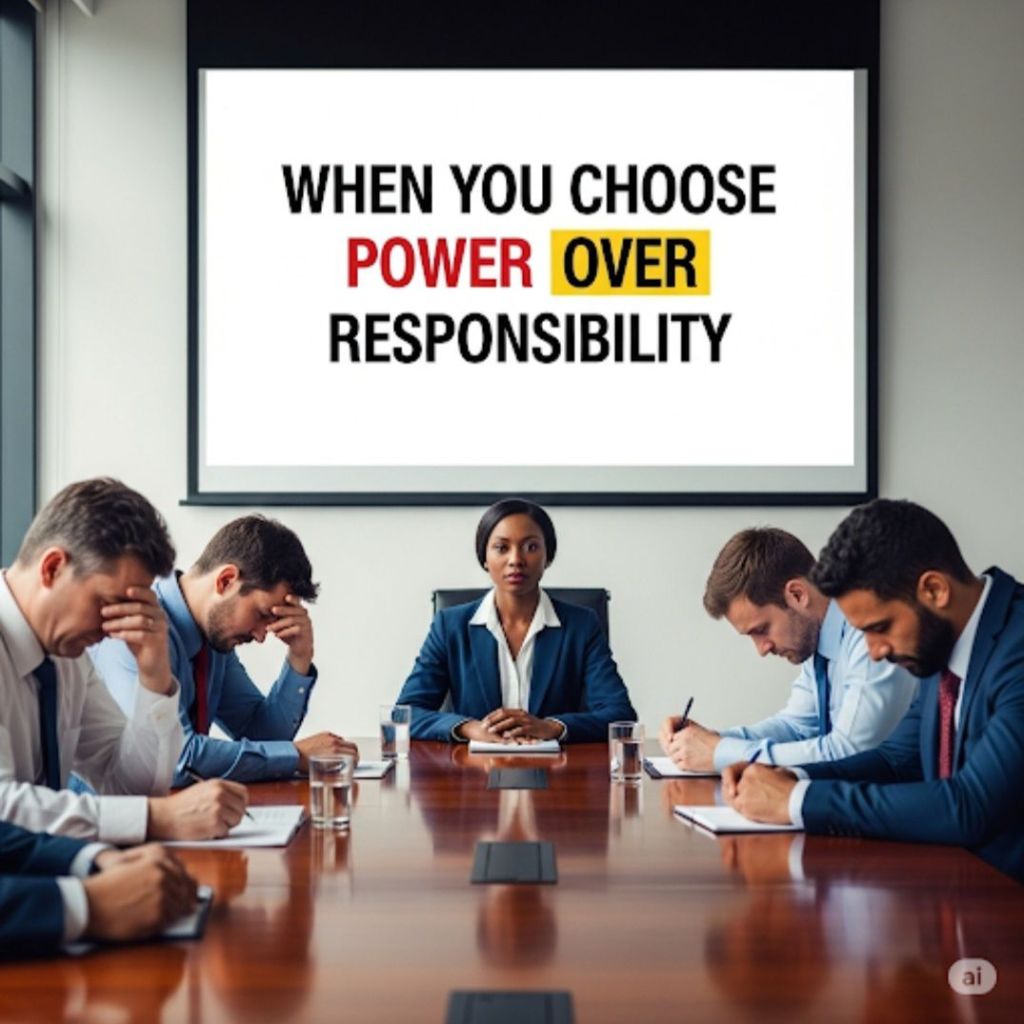
In the bustling heart of Johannesburg, amidst the energy of growing businesses and ambitious individuals, the concept of leadership often takes centre stage. We talk about power, influence, and the ability to drive results. But what happens when the pursuit of power overshadows the fundamental responsibility that true leadership demands? The price, as many find out, is far steeper than any corner office or impressive title.
At its core, responsible leadership is about accountability, empathy, and a deep commitment to the well-being of your team and the achievement of shared goals. It’s about understanding that power is a tool to serve, not a trophy to be displayed. When leaders prioritize wielding authority over owning outcomes, when they focus on control rather than care, a dangerous imbalance is created.
One of the most insidious consequences of this imbalance is the emotional toll it takes on the leader themselves, manifesting as a persistent cognitive dissonance. When your actions and decisions are driven by a desire for personal gain or control, rather than the best interests of your team, you create an internal conflict. Deep down, you very likely know when you’re not showing up authentically, when your motivations are misaligned with the values you might publicly espouse. This disconnect breeds anxiety, stress, and a gnawing sense of unease.
Imagine a leader who makes decisions based on how it will elevate their own standing, even if it means sacrificing the morale or development of their team. They might publicly champion collaboration while privately undermining colleagues. This constant juggling of a carefully constructed persona and their true, self-serving intentions requires immense mental energy. It’s like living a double life, constantly on guard, and fearful of being exposed. This inauthenticity erodes your sense of self and can lead to burnout and a profound feeling of emptiness, even amidst outward success.
Furthermore, choosing power over responsibility creates a significant lost opportunity to empathize and build trust. True leadership hinges on the ability to connect with and understand the perspectives of your team members. When your focus is solely on maintaining control and exerting influence, you create a barrier. You become less likely to listen actively, to understand their challenges, and to genuinely care about their growth and well-being.
Empathy is the bedrock of trust. When your team feels understood and valued, they are more likely to be engaged, motivated, and willing to go the extra mile. Conversely, when they sense that your decisions are driven by self-interest and a lack of genuine concern, trust erodes. This can lead to a culture of fear, where individuals are hesitant to voice concerns, share ideas, or take risks. Innovation stagnates, collaboration falters, and ultimately, the entire organization suffers.
In the long run, a leadership style built on the pursuit of power without responsibility is unsustainable. While it might yield short-term gains, the erosion of trust, the stifling of potential, and the internal conflict within the leader will eventually take their toll. The price paid is not just in terms of team performance or organizational culture, but also in the leader’s own well-being and sense of fulfillment.
Here in Johannesurg, and indeed in any business environment, true leadership lies not in the ability to command, but in the willingness to serve. It’s about embracing responsibility, fostering empathy, and leading with authenticity. Choosing that path may not always be the easiest, but it is undoubtedly the most rewarding, for both the leader and those they guide. The power of responsible leadership is not about control, but about the profound and lasting impact you can have by prioritizing the collective good.
 The Corporate Humanitarian