By Nomathemba Pearl Dzinotyiwei

In boardrooms across the globe, a dangerous dialect is thriving. It’s fluent in buzzwords, rich in ambiguity, and often sounds brilliant—until you stop to ask what it actually means. It’s called Execspeak, and it has become the lingua franca of a certain brand of executive: the polished, performative leader who dazzles with vision while quietly dodging accountability.
What is Execspeak?
Execspeak is the corporate equivalent of political doublespeak. It’s a highly stylized form of communication that uses grand phrases to mask vague intentions, hide incompetence, or flatter the egos of other powerful stakeholders. It sounds like:
“We’re focusing on strategic pivots to unlock synergies.” “Let’s take this offline and align with our north star metrics.” “We’re in the process of operationalising efficiencies and right-sizing the value chain.”
It all sounds intelligent—until the results are due.
The Rise of the Execspeaker

Leaders fluent in execspeak often rise quickly. Their superiors are impressed by the polish, confidence, and apparent clarity. But beneath the surface, these leaders often lack the courage to face difficult truths or the humility to admit what they don’t know. They flatter up and delegate down. They master the art of sounding decisive without actually being decisive.
And the results? Catastrophic.
The Camouflage of Language—And Its Real-World Costs

Execspeak doesn’t just hide the truth—it delays it, distorts it, and eventually destroys performance. Here’s how:
Missed Deadlines: When everything is “in motion,” nothing gets done. Decisions are postponed in endless strategy meetings that serve as theatre rather than progress.
Poor Performance: Metrics are gamed or reframed, not improved. Teams are “optimised” on paper but overwhelmed in practice.
Market Failure: The company loses sight of its actual customers while executives chase internal KPIs and personal power plays. Competitors with more clarity and courage move in.
Mounting Opportunity Costs: Time and talent are squandered in cycles of superficial innovation, misaligned priorities, and performative transformation efforts.
Loss of Talent: High performers see through the smokescreen. Disillusioned and disengaged, they either check out or leave.
Low Employee Engagement: When leaders communicate in code, employees respond with silence. Trust erodes. Purpose dissipates. Culture decays.
The Quiet Power of Authentic Leadership
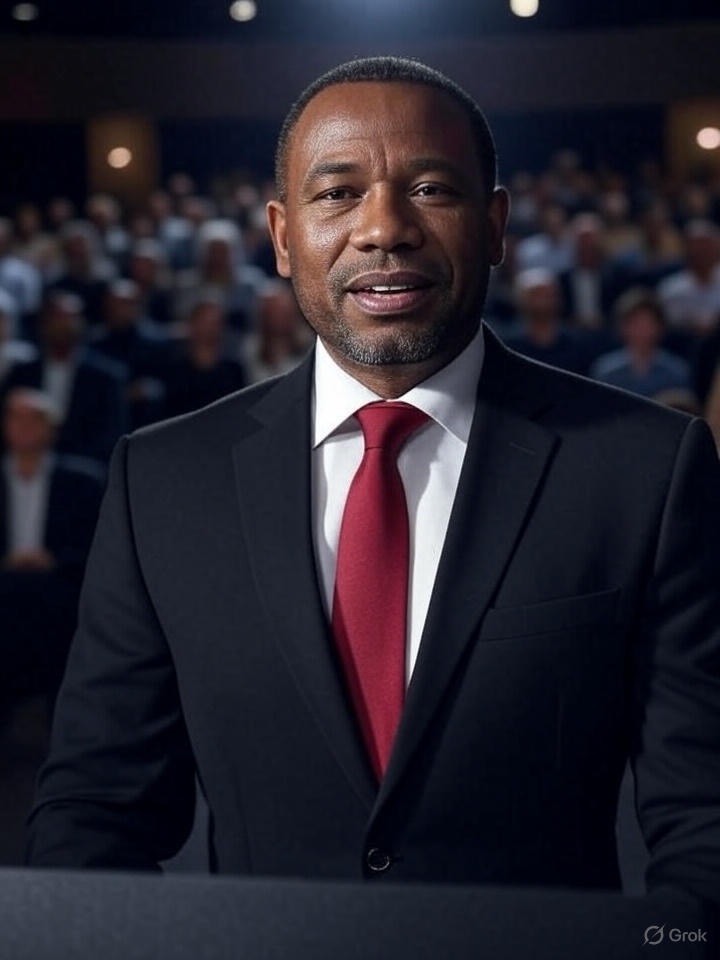
Not all leaders play this game. Some choose a harder path: honesty.
These are the leaders who:
Say “I don’t know” when they don’t. Deliver bad news early so it can be managed. Give credit freely and accept responsibility without deflection. Speak plainly about goals, risks, and values. Build followership through trust, not theatrics.
They rise more slowly—because they don’t play politics—but their impact is deep and enduring. Under their leadership, cultures flourish. Strategies succeed. People thrive.
They don’t chase optics. They build outcomes.
Final Thoughts
Execspeak is not harmless jargon. It is a form of corporate camouflage, and when wielded without conscience, it leads organisations into a slow, subtle race to the bottom. Behind the façade of innovation and transformation lies a culture of avoidance, spin, and stagnation.
It’s time we stopped rewarding empty eloquence and started valuing real leadership—the kind that speaks truthfully, acts boldly, and leads with integrity.
Because language shapes culture. And culture determines whether we build legacies or preside over decline.
 The Corporate Humanitarian