By Nomathemba Pearl Dzinotyiwei
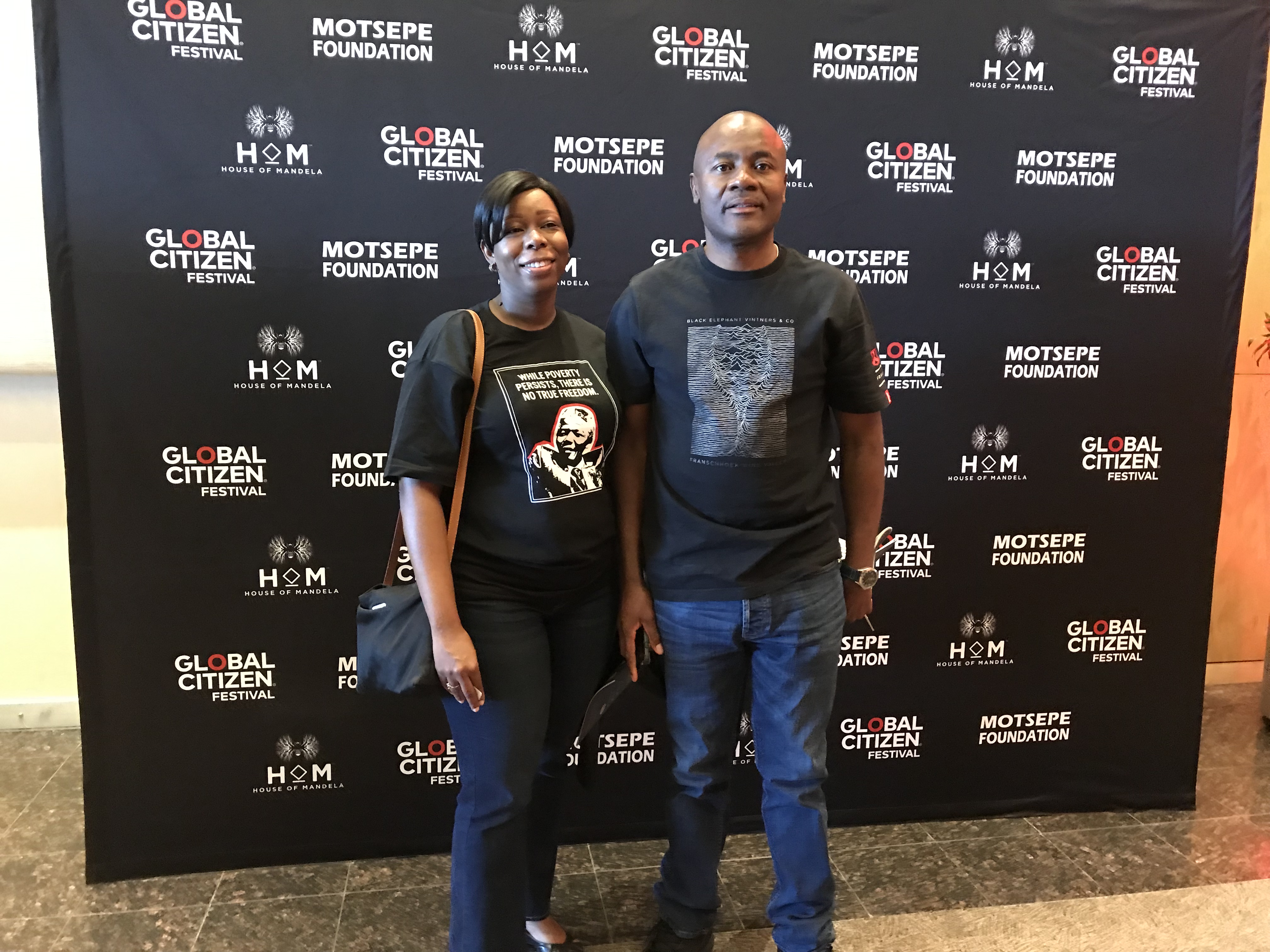
My husband and I attended the high-level summit for the Sustainable Development Goals entitled: Building Mandela’s Legacy: Ending Hunger and Malnutrition on the African Continent. It was part of the Mandela 100 Global Citizen Festival events. The event was used to launch the 2018 Global Nutrition Report in Africa. Yvonne Chaka Chaka, singer, songwriter and humanitarian ended the panel discussion that she was moderating by singing “What have you done to make yourself proud today?”
“22% of the World’s Children Will Not Reach Their Potential”
Some key facts and figures statistics from the report: 22% of the world’s children will not reach their potential due to stunting as a result of malnutrition because it affects cognitive development. Africa is burdened by high levels of stunting, anaemia and 75% of women are overweight or obese in SA. Diet is the number 1 risk factor for death. Official development assistance to malnutrition is 1% of national budgets while education gets 6%. Of the available funding, 0.01% funding to diabetes & obesity. Conflict is debilitating for efforts to combat malnutrition.
“Why is this a priority?”
Impaired cognitive development will cause long-term socio-economic problems in a society where we need skills to power the 4th industrial revolution. Dr. Jim Yong Kim announced at the Global Citizen Festival in Johannesburg, that South Africa is not ready to compete globally. We cannot compete when 34% of South African children are stunted. This means a significant proportion of the population will not have the intellectual capacity to build for and function in a globalized digital world.
“We need New Money and Increased Contribution”
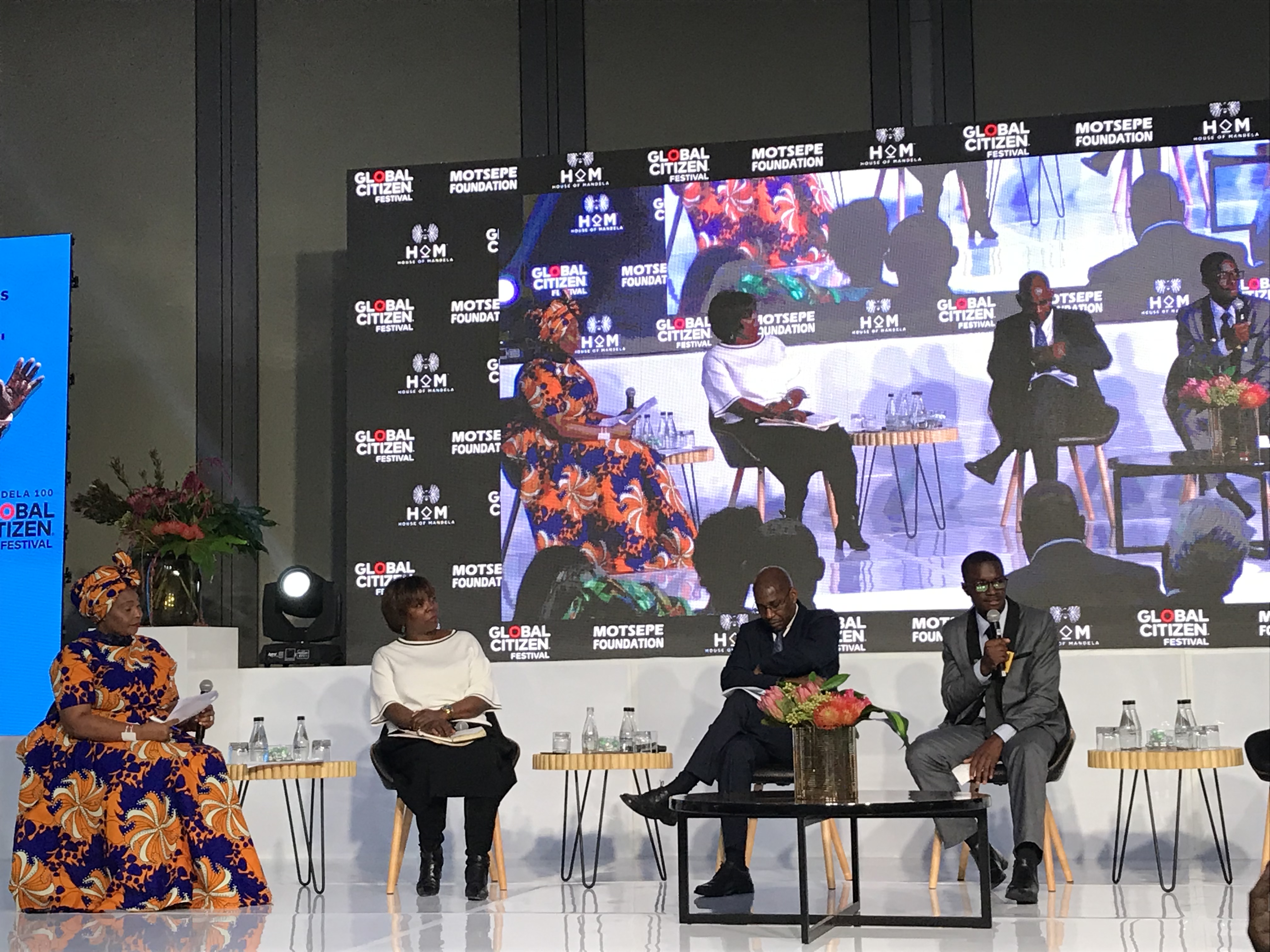
Ertharin Cousin from the Power of Nutrition drew attention to the level of unmet need in financing nutrition. The challenge of government & private sector funding required is an estimated $7 billion per year. The Save The Children Fund estimates the funding gap at Save The Children to be $23billion. Power of Nutrition aims to raise $20 million from donors and the private sector in order to leverage additional funding from governments.
“Africa can no longer depend on rain-fed agriculture”
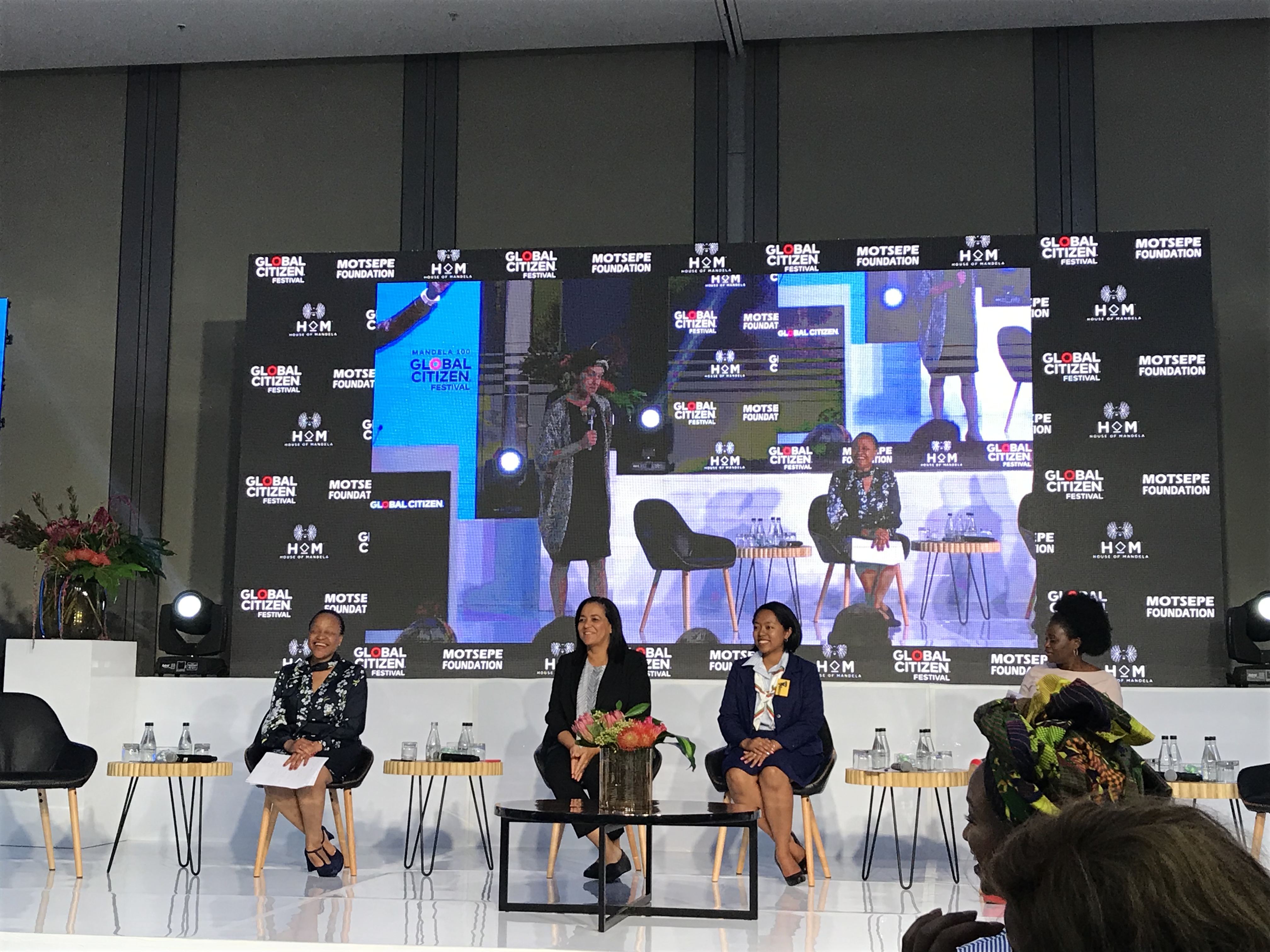
Sara Mbago-Bhunu, Regional Director for the International Fund For Agricultural Development emphasized the need to speak the language of the private sector when seeking funding for agriculture. Climate change with accelerated drought cycles means Africa’s small-holder farmers can no longer depend on rain-fed agriculture. They are net buyers of food, which means they cannot grow enough food to feed themselves. They need infrastructure for irrigation, technical and financial support to increase their scale of production and generate sufficient income to support their families. However this is a high-risk sector to invest in for most commercial banks to lend to. IFAD runs programmes to support rural development, particularly small-scale farmers. They have a number of programmes to de-risk investment in agriculture by banks and companies which will make it possible to transform the small-holder farming sector to make Africa self-sufficient in food production.
What would you sacrifice to help feed a child?
The issue of the funding gap got me thinking. With governments reducing budgets and donor fatigue, we have to raise the funds ourselves. What would you sacrifice to feed a child? If we need $7 billion dollars in funding, that is $1 for every human being living today. That is R15 South African Rands. If we collected a dollar for every person, in the world, by giving up a small cappuccino once a week, a cafe latte or a bar of chocolate, we could raise that funding.
“To whom much is given, more is expected.”
Those of us who have more can give more. If the richest 10% of the world (700,000 people) gave $10 each, we could reach that goal. Every cent must be invested in a structured programme to provide food for children from poor families under the age of 3. We can be the generation to end hunger, malnutrition and extreme poverty if we as individuals are willing to do whatever we can to help those who are less fortunate.
 The Corporate Humanitarian