By Nomathemba Pearl Dzinotyiwei
Everyone has a story. What’s yours? Is it an epic saga of intrigue? Perhaps it’s a deep mystical tale. Or a detailed, methodical chronicle of wisdom. Your starring role and how your story unfolds depends on your innate personality, behaviours and beliefs you’ve adopted over the years. How do you know what they are? Carl Jung identified 12 Archetypes: recognizable characters with certain dominant personality traits.
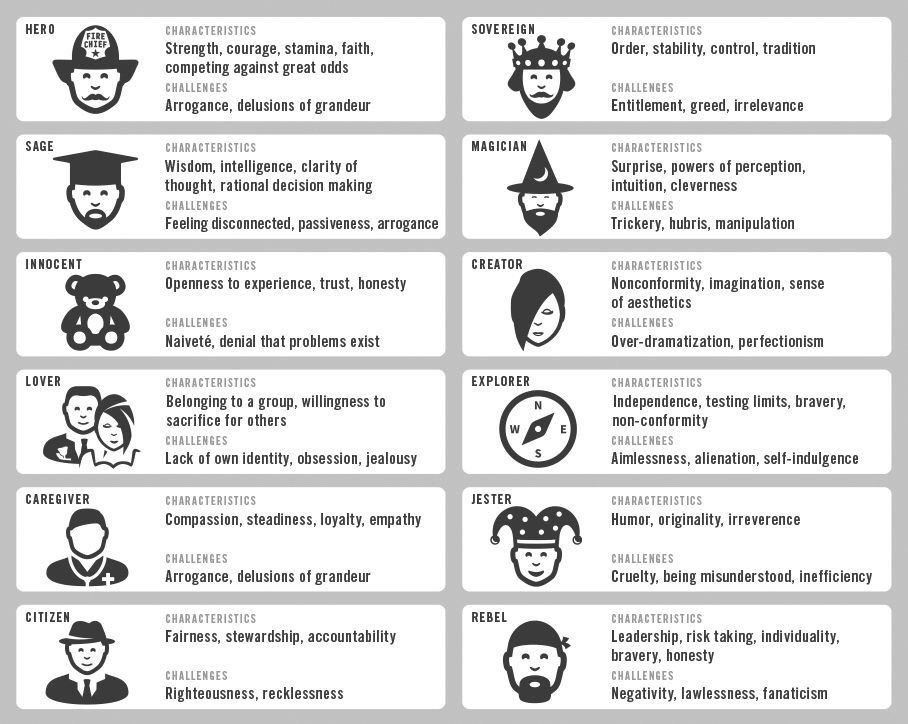
The archetypes can be identified among people you know, celebrities or movie characters. For instance Superman and Spider-Man are examples of the Hero archetype. ‘M’ in James Bond is an example of the Sage while James Bond is a typical Rebel. Loki in the Thor series is an example of a Magician.
In real life: Steve Jobs was a Creator, while Sir Richard Branson is a Rebel, yet both exemplify phenomenal success in business. Donald Trump is a typical Sovereign or Ruler, while Jimmy Carter could be considered as an Innocent, two different characters who have occupied and one still occupies the Oval Office.
In African politics: the late Thomas Sankara, President of Burkina Faso was an example of a Rebel, while the late Mwalimu Julius Nyerere, President of Tanzania was an example of a Citizen, very different from the present incumbent John Magufuli with his Ruler tendencies. But that’s what happens when you elect an old man who is a retired teacher to political office. Closer to home, you could say former President Thabo Mbeki the studious, pipe-smoking proponent of NEPAD is a Sage, while former President Jacob Zuma is an example of an all-singing, all-dancing Jester, and who can forget his signature belly laugh in Parliament when faced with tough questions?
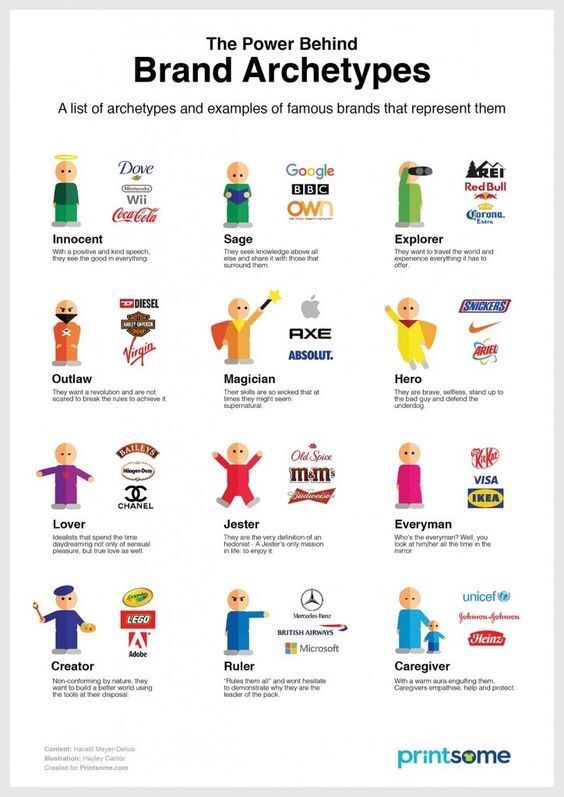
Brands too, have personalities and these can be matched to an archetype or combination of archetypes. This is evident in their mission statements, their vision, their media presence and the impact they have on society. Brands like Nandos and Kulula are rebels: cheeky and non-conformist; while banking brands like JP Morgan Chase and Goldman Sachs are rulers: dominant and authoritative.
Depending on which test you take, your personality can be discerned using either a dominant archetype, a combination of three dominant archetypes or an interesting mix of all 12 archetypes. You can get more detailed information as well as free tests on the archetypes by typing ’12 Archetypes on any search engine on the Internet. I’ve listed a few at the end of this post.
Identifying your archetypes will help you to understand yourself better, identify what drives you and how you relate to the world around you. Sometimes the job where we spend most of our waking hours is a miserable place to be, because the company values, ethos and the brand is in conflict with who we are. There’s a difference between the published values and how people in leadership behave in reality and that is what drives the corporate culture.
Martha Beck in Steering By Starlight: Finding Your Own North Star identifies ‘the essential self’, i.e. who you really are, and your ‘social self ‘, who everyone around you expects you to be. The social self is the one, like your Mother, that tells you to behave yourself, not to talk back and to conform to group expectations. We often suppress who we really are in order to fit in with those around us. This happens often at work and at home and leads to frustration and depression. As a cheeky twist on the old adage goes, ‘If life gives you lemons, maybe you’re in the wrong orchard’.
You can reconcile your personality to your workplace by finding and living your purpose. Even in the most unlikely of places, your unique personality can have a positive impact. You need self-awareness and personal mastery to use your gifts to best advantage in every situation.
The first quiz I took revealed that my primary archetype was that of a ‘Hero’. Ironically, that was after putting up the motto on my blog: ‘Corporate Dragons Slain Here Everyday’. Hero archetypes are activists, militant, not afraid of speaking out and will stand up to any authority even at great personal risk. I hate injustice of any kind. For the longest time, I lived in a country with selfish, violent and corrupt political leaders and the same culture manifested in every corporate entity that I worked. I changed jobs and eventually left the country.
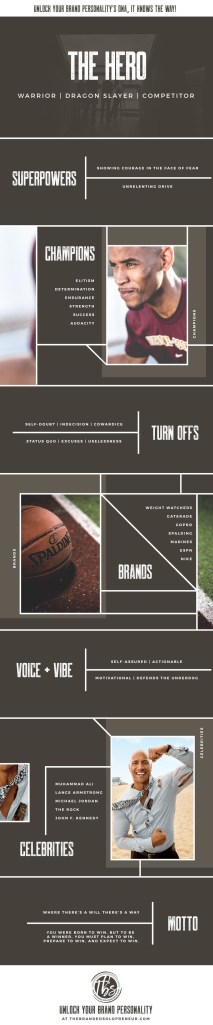
Early in my career, I would vehemently argue with and expose people in authority when I felt that whatever they were doing was not right. I only had the courage of my convictions and I was proved right. One of my then bosses advised me to tone it down. He meant well. However, as much as my integrity was admired, others who didn’t rock the boat progressed a lot faster in the organisation than I did. I’ve made peace with that. My personal satisfaction doesn’t come from the fancy corner office, a fat salary and extravagant office perks. I made a personal decision as far back as that, not to destroy other people’s careers or aspirations to further my own. I’ve observed that people who do that come to a sticky end. Karma is real people! You reap what you sow.
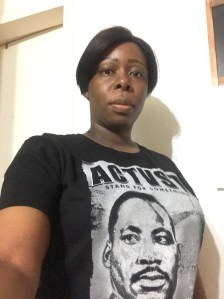
Even now, living in a democratic country, I have to be aware of my ‘hero’ instincts and reactions. It infuriates me to see people oppressed or abused in the workplace. Like the biblical prophet, I’m the one that stands up to speak at the town hall, asking questions that make executives squirm. It’s entertaining for the crowd, but doesn’t make for great career prospects. The truth is, speaking out in a toxic corporate culture is a career limiting move. It was refreshing to hear a senior colleague express the same sentiments, having been part of the Trade Union movement during the days of Apartheid. The more things change, the more they stay the same.
We can’t all quit our day jobs and follow our dreams, but when we understand ourselves better, we can find roles, projects and opportunities inside and outside the workplace that bring out the best in us. In some cases you enjoy it so much you’ll make time to do it even if it’s not on your job description or objectives. I get a lot of satisfaction from teaching, counseling and coaching colleagues then seeing them succeed. I don’t get paid or recognized for it, but I see the need and I do it anyway. I have met some amazing people as a result. I get help from unlikely places when I need it and it keeps me going when things get challenging on other fronts at work. For some people, similar efforts have led them to a whole new career.
Take the tests, have fun discovering your primary or dominant archetype(s). Take the tests that shows your secondary types as well. Look at your workplace to understand your bosses’ archetypes and the dominant archetype of the company. You’ll get some surprising insights that will tell you why you do what to do and explain how others react to you. It will help to clarify why things are the way they are in your life. If you are successful and optimistic about your future, you may be a good fit with your boss, your team or your organisation. If you’re unhappy and pessimistic about your work situation, maybe your personality is not a good fit with your boss, team or company. In such a situation you may want to look for another opportunity within or outside the company or focus on your interests, because life is too short to be miserable. Be the hero of your own story.
I’ve taken the following online tests:
Single Archetype Test:
https://www.arealme.com/which-12-archetype-are-you/en/
Dominant Archetype Test that identifies your dominant personality traits:
https://www.archetypes.com/quiz/
Comprehensive Archetype Tests that show to which extent you exhibit the characteristics of all 12 Archetypes
 The Corporate Humanitarian